

A Weekend in Patan: Perfect 2-Day Patan Nepal Itinerary
Planning a weekend in Patan? Explore this 2-day Patan Nepal itinerary covering Patan Durbar Square, temples, Newari food, handicrafts, culture, and local experiences.
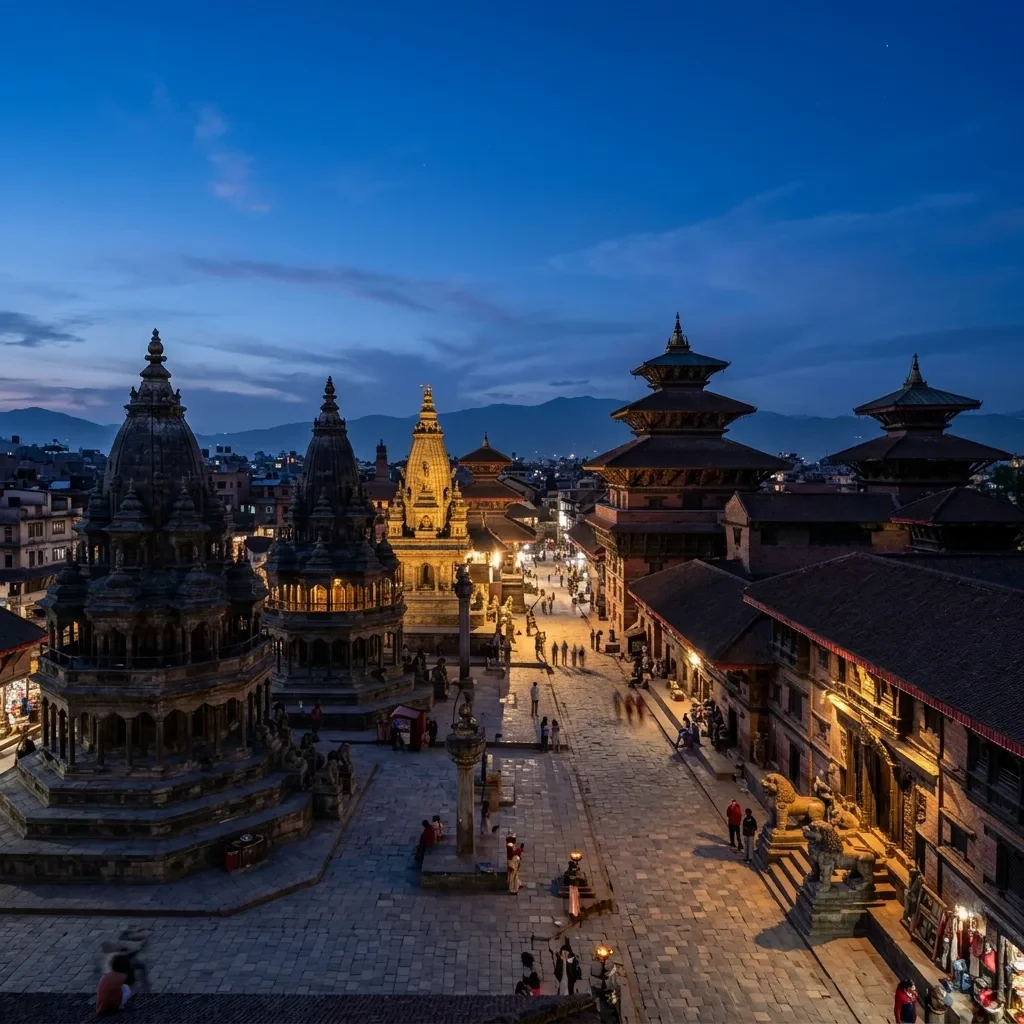
If you are looking for a destination that combines ancient architecture, rich Newari culture, traditional craftsmanship, great food, and a slower pace of travel, a weekend in Patan, Nepal is an experience worth adding to your itinerary.
Also known as Lalitpur, Patan is one of the Kathmandu Valley's most culturally fascinating cities. Famous for its beautifully preserved temples, historic courtyards, traditional metalwork, and the spectacular Patan Durbar Square, the city offers plenty to explore over a relaxed two-day trip.
Whether you are visiting Nepal for the first time or looking for a quieter alternative to the busier parts of Kathmandu, this 2-day Patan itinerary will help you experience the city's highlights without rushing.
Why Spend a Weekend in Patan?
Patan has a character distinctly different from Kathmandu. While the two cities are close to each other, Patan feels more intimate and deeply connected to its Newari heritage.
The city is particularly known for:
- Historic Newari architecture
- Patan Durbar Square
- Ancient temples and Buddhist monasteries
- Traditional metal and wood craftsmanship
- Local Newari cuisine
- Art galleries and handicraft shops
- Charming courtyards and narrow streets
- A relaxed cultural atmosphere
For travelers interested in history, architecture, art, culture, photography, and food, Patan can easily fill an entire weekend.
Day 1: Discover the Historic Heart of Patan
Morning: Start at Patan Durbar Square
Begin your weekend at Patan Durbar Square, the historic center of Lalitpur and one of the most important cultural landmarks in the Kathmandu Valley.
The square is surrounded by ornate temples, traditional Newari buildings, courtyards, and former royal palace structures. Take your time walking around rather than simply checking off individual monuments.
Look closely at the details of the architecture. Carved wooden windows, metal statues, intricate roof structures, and stone sculptures reveal the incredible craftsmanship that has been passed down through generations.
The Patan Museum, located within the historic palace complex, is also worth visiting if you want to understand more about the artistic and religious traditions of the Kathmandu Valley.
Travel tip
Visit Patan Durbar Square in the morning when the streets are generally quieter and the light is particularly good for photography.
Late Morning: Explore the Golden Temple
After exploring the Durbar Square area, walk towards Hiranya Varna Mahavihar, better known as the Golden Temple.
This historic Buddhist monastery is one of Patan's most fascinating religious sites. Its detailed metalwork, statues, prayer wheels, courtyards, and traditional architecture provide a glimpse into the city's living Buddhist heritage.
The temple is tucked into the surrounding urban fabric, making the journey there part of the experience.
Don't be afraid to wander through the smaller lanes around the temple. Some of Patan's most interesting architectural details are found away from the major tourist attractions.
Lunch: Try Traditional Newari Food
A weekend in Patan would not be complete without trying Newari cuisine.
Look for a traditional local restaurant or small eatery and consider ordering a Newari set meal, commonly served with a combination of rice, lentils, vegetables, pickles, meat, and other regional specialties.
You can also try popular Newari dishes such as:
- Yomari – a traditional steamed sweet dumpling
- Bara – a savory lentil pancake
- Chatamari – a rice-flour crepe often topped with meat, eggs, or vegetables
- Choila – spiced grilled or smoked meat
- Aloo Tama – a distinctive potato and bamboo-shoot curry
- Samay Baji – a traditional Newari platter
Food is one of the easiest ways to experience Patan's cultural identity beyond its monuments.
Afternoon: Walk Through Patan's Traditional Courtyards
One of the best things to do in Patan is simply walk.
Move away from the main tourist streets and explore the traditional neighborhoods surrounding the historic center. You will find hidden courtyards, small shrines, Buddhist bahals, workshops, temples, and homes featuring traditional Newari architecture.
Patan has long been associated with craftsmanship, particularly metal sculpture and traditional handicrafts.
You may see artisans working with metal, wood, stone, or other traditional materials. If you are interested in Nepalese handicrafts, this is a good opportunity to purchase something directly from local shops and workshops.
Evening: Explore Patan After Dark
As evening arrives, return towards the historic center.
The atmosphere changes as restaurants and cafés begin filling up and the streets take on a more relaxed rhythm.
Enjoy dinner at a local restaurant or spend some time at a café around the Patan Durbar Square area.
If you enjoy photography, the evening is also a good time to capture the traditional architecture when the area is less crowded.
Day 2: Art, Temples and the Quieter Side of Patan
Morning: Visit Mahaboudha Temple
Start your second day at Mahaboudha Temple, an impressive Buddhist monument known for its distinctive terracotta architecture.
The temple is particularly interesting for travelers who enjoy architecture and photography. Its intricate surface details and numerous small Buddha images make it very different from the larger temples around Patan Durbar Square.
Spend some time exploring the surrounding neighborhood before continuing your walk.
Continue to Rudravarna Mahavihar
Next, visit Rudravarna Mahavihar, another important Buddhist monastery in Patan.
Like many of the city's historic religious sites, the monastery is not simply a monument for visitors. It remains part of the local community and religious traditions.
Take a respectful approach when visiting active religious sites, particularly during ceremonies or festivals.
Afternoon: Visit Kumbheshwar Temple
Continue your Patan exploration with Kumbheshwar Temple, one of the city's notable Shiva temples.
The temple complex is surrounded by traditional architecture and offers another opportunity to experience Patan's blend of Hindu and Buddhist traditions.
Rather than trying to see every attraction in a single afternoon, allow yourself time to stop at small shops, courtyards, cafés, and local temples along the way.
That slower pace is part of what makes exploring Patan enjoyable.
Spend Some Time Shopping for Local Crafts
If you want to take a piece of Patan home with you, set aside some time for shopping.
Patan is particularly well known for traditional craftsmanship, including:
- Metal statues
- Buddhist art
- Traditional masks
- Handmade jewelry
- Wood carvings
- Thangka-style artwork
- Decorative objects
- Traditional textiles
When buying handicrafts, take the time to understand what you are purchasing and, where possible, buy from established local artisans or workshops.
Where to Stay in Patan
For a weekend trip, staying within or close to the historic center of Patan can make the experience considerably easier.
Look for accommodation around areas such as Patan Durbar Square, Mangal Bazaar, Pulchowk, or Jawalakhel, depending on whether you prefer to prioritize historic surroundings, restaurants, shopping, or convenient transportation.
Staying close to the old city also means you can explore early in the morning and return easily after dinner.
Best Time to Visit Patan
The best time to visit Patan generally depends on what you want from your trip.
Autumn and spring are popular periods for exploring Nepal because of their generally favorable weather and clear mountain views.
The cooler months can be particularly comfortable for walking around Patan's historic streets, while warmer months can bring higher temperatures and occasional rain.
If you enjoy cultural experiences, consider planning your visit around a local festival. However, festival dates follow the traditional lunar calendar, so check the dates before planning your trip.
How to Get Around Patan
The historic center of Patan is best explored on foot.
Many important attractions are relatively close together, and walking allows you to discover small courtyards, temples, workshops, and streets that you might otherwise miss.
For destinations farther away, taxis and local transportation are practical options.
If you are arriving from Kathmandu, Patan is close enough to combine with a wider Kathmandu Valley itinerary.
A Simple 2-Day Patan Itinerary
Day 1
Morning
• Patan Durbar Square• Patan Museum• Explore the surrounding historic streets
Late Morning
• Golden Temple
Afternoon
• Traditional Newari lunch• Explore local courtyards and artisan workshops
Evening
• Café or dinner around the historic center• Evening walk through Patan
Day 2
Morning
• Mahaboudha Temple• Rudravarna Mahavihar• Explore surrounding neighborhoods
Afternoon
• Kumbheshwar Temple• Local handicraft shopping• Relax at a café
Evening
• Traditional Newari dinner• Final walk around the old city
Tips for Your Weekend in Patan
Before visiting Patan, keep these simple tips in mind:
Wear comfortable shoes. Much of the historic center is best experienced on foot.
Dress respectfully. Patan has many active Hindu and Buddhist religious sites.
Carry some local currency. Smaller restaurants, shops, and vendors may not accept cards.
Take your time. Patan is not a destination that needs to be rushed through.
Ask before photographing people. Especially when visiting workshops, religious ceremonies, or residential areas.
Support local artisans. Buying locally made handicrafts helps preserve the traditional skills for which Patan is famous.
Is a Weekend in Patan Worth It?
Absolutely—especially if you want to experience a different side of the Kathmandu Valley.
Patan combines centuries-old architecture with living traditions, local food, craftsmanship, and everyday city life. Its greatest attraction isn't just a single monument; it is the way historic temples, courtyards, workshops, homes, and religious traditions continue to exist alongside modern life.
A weekend in Patan gives you enough time to see the major attractions while still leaving room to wander, eat, shop, photograph, and discover the quieter corners of Lalitpur.
If you are planning a trip to Nepal, consider giving Patan at least two days. You may find that the best memories come not from the places you specifically planned to visit, but from the streets and courtyards you discovered along the way.
Frequently Asked Questions About Patan
What is Patan famous for?
Patan, also known as Lalitpur, is famous for its Newari architecture, Patan Durbar Square, Buddhist monasteries, Hindu temples, traditional metalwork, handicrafts, and rich cultural heritage.
How many days are enough for Patan?
Two days are enough to see many of Patan's major attractions at a comfortable pace. A longer stay is worthwhile if you want to explore local neighborhoods, workshops, museums, and nearby attractions.
What are the best things to do in Patan?
Some of the best things to do in Patan include visiting Patan Durbar Square, exploring the Golden Temple, visiting Mahaboudha and Kumbheshwar temples, trying Newari food, exploring traditional courtyards, and shopping for local handicrafts.
Is Patan worth visiting from Kathmandu?
Yes. Patan is part of the Kathmandu Valley and can be visited as a day trip from Kathmandu, although staying overnight gives you more time to experience the historic city at a relaxed pace.
What food should you try in Patan?
Try traditional Newari dishes such as yomari, bara, chatamari, choila, samay baji, and aloo tama. Local restaurants and traditional eateries around the historic center are good places to explore Newari cuisine.